

Aruba beyond the beaches: 5 attractions you must know

Few Caribbean islands have captured the traveler's imagination like Aruba . Its name evokes images of white sands, turquoise waters, and perpetually blue skies.
And rightly so: destinations like Eagle Beach and Palm Beach consistently rank among the best beaches in the world. But to focus solely on that image would be to do a great disservice to this island, barely 30 kilometers long, which hides, inland and in its less photographed corners, a unique, profound, and surprising identity.
Aruba is more than just sun and sand. It's an arid ecosystem, a vibrant colonial history, volcanic rock sculpted by the wind, and Afro-Caribbean culture that pulsates in every mural. For the traveler who wants to go beyond the resort and the beach umbrella, the island offers a second layer of experiences that few know but everyone remembers.
1. Arikok National Park: the wild heart of the island
It occupies almost 20% of Aruba's territory, yet it remains the island's best-kept secret. Arikok National Park is a world apart: an arid, almost lunar landscape where kadushi cacti rise like columns from limestone and basalt rock. Here live iguanas, endemic kododo lizards, and birds like the prikichi , the jungle parrot found only in Aruba.
Exploring its trails is like stepping into the island's geological and cultural history. The Fontein Caves and the Quadirikiri Cave, with their rock paintings by the ancient Arawak inhabitants, offer direct contact with civilizations that predate any resort. The park also features cunucu , the traditional Aruban rural landscape, with its small cottages and cactus gardens that were once used as natural fences. It's an experience that redefines the visitor's relationship with Aruba.

2. Oranjestad: The capital of Aruba
Aruba's capital city has something few other Caribbean cities can boast: architecture that tells its story without words. Oranjestad 's historic center is a mosaic of Dutch colonial buildings painted in vibrant yellows, blues, and reds, contrasting with the Caribbean sky in a way no photographic filter can improve.
Fort Zoutman , built in 1796, is the oldest structure on the island and now houses the Aruba Historical Museum , where the island's history—from the Arawak people to the oil boom—is narrated with rigor and passion. Surrounding it, the artisan market, local cafes, and boutiques showcasing local designers make Oranjestad a destination in its own right, far beyond simply being the airport's arrival point.

3. San Nicolás: Urban art in Aruba
If there's one place in Aruba that embodies creative transformation, it's San Nicolas . Historically known as the oil town, built around the Lago Oil refinery, this southern neighborhood of the island experienced decades of decline after the industrial closure. But instead of resigning itself to this fate, it chose to reinvent itself through art.
The San Nicolás Urban Art Festival transformed its facades into monumental canvases. Today, the neighborhood's streets are an open-air mural gallery , where local and international artists have left behind works that celebrate Afro-Caribbean identity, working-class history, and the island's cultural diversity. A stroll through San Nicolás is a political, aesthetic, and emotional journey that no conventional museum can replicate.

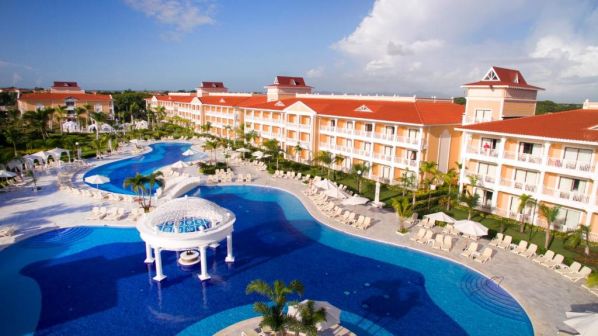
Aruba at Riu Palace Aruba via Copa Airlines (8 days / 7 nights)
4. Conchi: Aruba's most remote natural pool
Reaching Conchi requires effort, and that's part of its charm. Located on the northern tip of the island, on the edge of Arikok National Park , this natural pool formed among volcanic rocks is only accessible via a dirt track that requires a 4×4 vehicle or a stamina hike. But the reward is worth every step.
Conchi's natural pool is a crystal-clear pool protected from the Atlantic Ocean by a rock barrier, where the waves come and go with a hypnotic gentleness. Swimming there, far from the bustle of tourist beaches, with the trade winds caressing your skin and frigate birds soaring overhead, is one of those experiences travelers remember for years. It's Aruba unfiltered, undeveloped, in its purest form.

5. Hooiberg: the summit that changes your perspective
At first glance, Hooiberg 's 165 meters of height may seem modest. But on a flat island like Aruba, this volcanic cone that rises abruptly from the central landscape is a visual landmark and a major geographical feature. It's the point where the traveler suddenly understands that Aruba is much more than its shores.
Its name in Papiamento means "hay mountain," and from its summit, reachable after climbing 562 steps among cacti and butterflies, a 360-degree panorama opens up showing everything: the western beaches shining under the sun, the arid interior, the wind turbines of the wind farm, and, on clear days, even the coast of Venezuela .

Aruba possesses the generosity of islands that have nothing to hide: its beaches are real and extraordinary, but its interior, its history, and its people offer a dimension of travel that transforms a simple stroll into a journey of discovery. Those who venture beyond the beaches find an island they never truly begin to understand.
You might also be interested in: Which hotel to choose for your next trip to Punta Cana? Make it Meliá!