

Flowering Desert 2026: When and where to see it in its full splendor

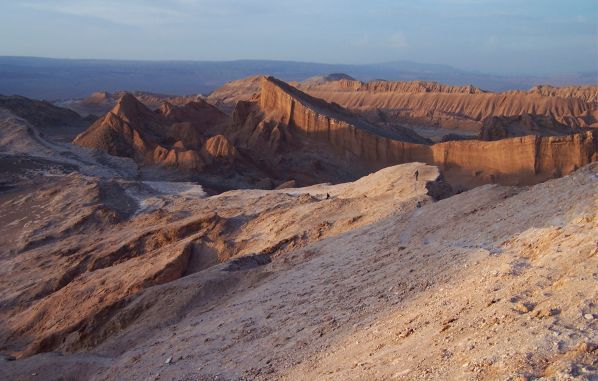
The driest corner of the planet transforms into a spectacle that seems impossible: millions of flowers bloom on the sand, giving the Atacama Desert a color that almost no one remembers ever seeing before. This phenomenon, known as the Flowering Desert , returns in 2026, and all indications are that it will be one of the most intense seasons in recent years.
What is the Flowering Desert and why does it occur?
The Flowering Desert is a natural phenomenon that occurs when rain falls on the driest desert in the world and awakens seeds and bulbs that may remain dormant underground for years, even decades.
When humidity is sufficient, these seeds germinate almost simultaneously, covering vast areas of the Atacama Region with carpets of guanaco's foot , field sighs , añañucas , and dozens of other species, many of them endemic. The intense rainfall recorded in July of this year was the signal that reactivated the process.

According to projections from the Regional Commission of the Flowering Desert , made up of the Regional Government of Atacama , Conaf , Sernatur , municipalities and the Ministry of Agriculture (via Report News ), the first blooms could appear during the second half of August , with a greater expansion from September onwards and a peak of diversity and abundance towards mid- October .
Where to see it: from Caldera to Freirina
One of the most anticipated pieces of news this season is the extent of the area the phenomenon could cover. Authorities estimate that the 2026 Flowering Desert will extend from areas of Caldera to Freirina , encompassing practically the entire region, from Pampa Caracoles in the north to the coast of Freirina in the south.
Among the areas with the greatest presence of flowers are the coast of Freirina , the coast of Huasco , the Travesía area in the commune of Copiapó , the Desierto Florido National Park and, especially, the areas associated with the Llanos de Challe National Park .

For those planning a trip focused on nature and photography, Llanos de Challe National Park often offers some of the most memorable images of the entire phenomenon. Year after year, it is one of the most sought-after destinations for travelers: its coastal dunes, ravines, and proximity to the sea create a unique contrast when covered in añañucas and other species, with the Pacific Ocean as a backdrop.
New for this season, five information and education points will be set up in the areas where a greater presence of flowers is expected, with a tourist and educational component.

Recommendations before traveling
The official launch of the season is scheduled for September , and authorities have insisted on a call for caution: part of the region's road network has been damaged by the July rains, so it is recommended to wait for official information before traveling to areas where access is not fully restored.
For those already planning their trip, the recommendations are clear. You must only travel on designated paths and trails , avoid driving vehicles through flowering areas, and never step on the plants under any circumstances.
It is also important not to cut flowers or collect seeds or bulbs, as this can compromise future flowering seasons. Respect for local wildlife is equally important, as is removing all waste generated during your visit. It is also recommended not to bring pets to flowering areas, so as not to disturb an already fragile and ephemeral ecosystem.

The 2026 Flowering Desert season , with more generous rainfall than in recent years and a territory that could extend for up to 200 kilometers, is shaping up to be a special opportunity to witness one of the most unique natural phenomena in Chile , with Llanos de Challe National Park as one of its essential settings.
You might also be interested in: Why Aruba is an ideal destination for traveling with children