

5 reasons to travel to Europe in the off-season

When you think of a trip to Europe , your imagination often conjures up images of crowded beaches on the Amalfi Coast , endless queues in front of the Eiffel Tower , and medieval squares transformed into seas of tourists with selfie sticks in hand. But there's a secret that seasoned travelers cherish: the continent's true magic is revealed in the off-season .
Specifically between September and October , there are five reasons why these months are undoubtedly the best time to discover its capitals, historic cities and hidden corners.
1. A pleasant climate in Europe that invites walking
Forget the sweltering heat of midsummer or the biting cold of European winter. In September and October , the weather becomes a perfect ally for travelers: mild temperatures ranging between 15°C and 22°C in most cities, clear skies, and that golden light so characteristic of European autumn.
It's the perfect weather for long walks on Prague 's cobblestones, for leisurely getting lost along Amsterdam 's canals, or for strolling through Tuscany 's narrow streets without breaking a sweat. Autumn dresses Europe in ochre and gold hues that transform every landscape into a picture postcard, especially in destinations like Germany's Black Forest or the vineyards of Burgundy .

2. Fewer crowds, more authenticity
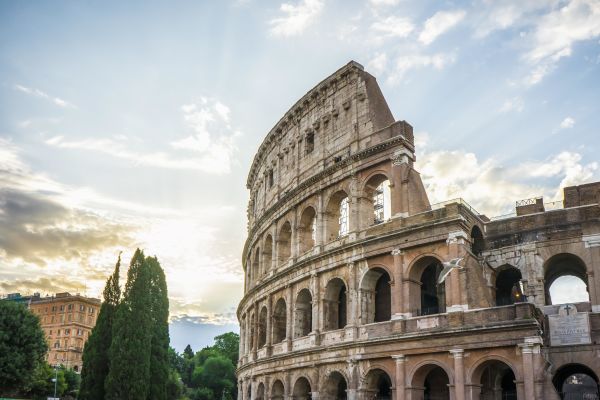
This is perhaps the most compelling reason: traveling in the off-season means saying goodbye to crowds. There's no more queuing for hours to enter the Colosseum in Rome , or pushing elbows to photograph the Sagrada Familia in Barcelona .
The squares regain their local rhythm, the cafes fill up again with locals and not just tourists, and it's even possible to have a quiet conversation with an artisan in a Florentine market without feeling like time is ticking. Traveling with fewer people around not only improves the visual experience—those photos without dozens of strangers in the background—but also allows for a much more authentic connection with the local culture, flavors, and stories of each city.

3. More affordable prices on flights and accommodation
Airlines and hotels adjust their rates considerably once the peak summer season ends, resulting in cheaper flights to destinations like London , Paris or Lisbon , and the possibility of accessing boutique hotels or charming accommodations that would be unattainable in July.
This economic advantage allows you to allocate more of your budget to experiences: dinner at a Michelin-starred restaurant in Madrid , a private tour of the Loire Valley castles, or an extra night in a picturesque Black Forest village. Travel more and spend less: the perfect equation for the savvy traveler.

Mediterranean European tour from Madrid to Rome (10 days / 9 nights)
4. European gastronomy at its best
September and October mark the beginning of one of the richest gastronomic seasons of the year in Europe. It's the harvest season in wine regions like La Rioja , Tuscany , and Bordeaux , when vineyards bustle with activity and many wineries open their doors for tastings and celebrations. It's also the season for mushrooms and truffles in Italy and France, for roasted chestnuts in the streets of cities like Turin , and for the first olive oil harvests in Greece and Spain .
Local markets overflow with seasonal produce, and seasonal menus offer a unique opportunity to sample authentic flavors unavailable at other times of the year. For any food lover, this is simply the best time to explore Europe, fork in hand .

5. Unique cultural events and festivals
Far from being months of little cultural activity, September and October are packed with festivals and celebrations that attract both locals and curious travelers. Oktoberfest in Munich , which begins at the end of September, remains one of Germany's most iconic celebrations.
In Venice , the autumn Film Festival fills the city with glamour without the summer crowds. Meanwhile, cities like Edinburgh , Berlin , and Amsterdam offer a vibrant cultural scene with exhibitions, concerts, and fairs that often go unnoticed amidst the tourist bustle during peak season. Traveling at this time of year allows you to experience Europe from a more local and authentic perspective.

The ideal time to explore the Old Continent
Ultimately, choosing to travel to Europe in the off-season is not just a practical decision in terms of weather or budget: it's a different way of experiencing the trip.
It's the chance to stroll leisurely through streets that were crowded in the summer, to sit on a Parisian terrace without waiting for a table, to savor a freshly harvested wine in some Italian vineyard, and to discover that the great European capitals — Paris , Rome , Berlin , Madrid , Lisbon — have much more to offer when the pace slows down a bit.
For those seeking a deeper, more peaceful and memorable European experience, the answer is clear: autumn is undoubtedly the best time to travel to Europe .
You might also be interested in: Sa Morakot: Krabi's hidden treasure in Thailand