Tips and recommendations for culturally “behaving” in Istanbul

Halfway between Europe and Asia , Istanbul is a melting pot of centuries of history , religion , commerce , and everyday life . For the modern traveler , understanding how to behave culturally in this vibrant city is just as important as knowing what to see .
It is not about memorizing rigid rules , but about interpreting social codes that allow you to move with respect , curiosity and openness in a society proud of its traditions and, at the same time, profoundly modern .
The value of respect and hospitality in everyday life in Istanbul
In Turkey , respect is a fundamental social currency . It is expressed in gestures , tone of voice , and the way one interacts with others. Greeting someone with "Merhaba" (hello) or "Teşekkür ederim" (thank you) is not a minor detail: it is a clear sign of willingness to integrate .
Moderate eye contact and a friendly attitude open doors, especially in traditional neighborhoods where community life remains central.

Hospitality is another of the most celebrated aspects of Turkish culture . It's not unusual for a merchant to offer tea or for a stranger to help you find your way without expecting anything in return. Rudely refusing these gestures can be interpreted as impolite . The recommendation is to accept , even if only symbolically, and express gratitude with a smile .
On public transport , giving up your seat to elderly people , pregnant women , or families with children is an unspoken social norm . Speaking quietly , especially on ferries and trams , contributes to a more harmonious environment .
Furthermore, Istanbul carries a complex history . Simplistic comparisons , superficial political commentary , or value judgments about the Ottoman past can cause discomfort . Listening , asking respectful questions , and avoiding unnecessary debates are the best strategies for understanding without causing offense .

Clothing: Context rather than imposition
One of the aspects that generates the most confusion is dress . Istanbul is cosmopolitan and diverse , but certain spaces, especially mosques , require clear dress codes . Covered shoulders and knees , and in the case of women , the use of a headscarf in places of worship , are gestures of respect rather than religious impositions .
On the street , there is no strict rule , but discreet clothing facilitates interaction and avoids uncomfortable looks , especially in conservative areas .

Religion in Istanbul: Observe, do not interrupt
Islam is an integral part of the city's daily life . The call to prayer , the ezan , marks the rhythm of each day , and during Ramadan , these customs intensify . While visitors are not expected to fast , discretion is appreciated when eating or drinking in public during fasting hours .
Photographing people praying or religious rituals without permission is considered disrespectful . Observing silently is often the best way to learn .
Essential Türkiye via Turkish Airlines (9 days / 8 nights)
The art of haggling and tipping
In places like the Grand Bazaar or the Spice Bazaar , haggling is part of the social interaction . It's not about imposing your will , but about dialogue . Negotiating with humor , patience , and respect is well-received; doing so with aggression or disdain is not. If you're not prepared to buy , it's best not to initiate negotiations .
On the other hand, tipping is not mandatory , but it is appreciated . In restaurants , leaving between 5% and 10% is customary if the service has been good . In hotels and taxis , rounding up the bill is sufficient .

Personal space, body language, and displays of affection
Communication in Istanbul is expressive . Gestures , hand movements , and physical proximity are all part of everyday dialogue . However, there are limits : pointing , raising your voice unnecessarily, or showing impatience can be offensive .
A key detail is to avoid touching another person's head , especially children 's, as it is considered an intimate area .
Public displays of affection are a sensitive cultural issue in Istanbul . Although it is a modern and diverse city , kissing , effusive hugging , or other intimate gestures between couples can be uncomfortable or inappropriate .

Holding hands is generally acceptable , but any more explicit displays of affection are best reserved for private settings . Maintaining a discreet demeanor not only avoids stares and comments but also demonstrates consideration for a society where public life adheres to more conservative codes of conduct than in many Western cities .
A deeper experience discovering Istanbul
Following these recommendations not only prevents misunderstandings , it transforms the travel experience . It allows you to explore Istanbul 's main attractions with a deeper, more conscious perspective.
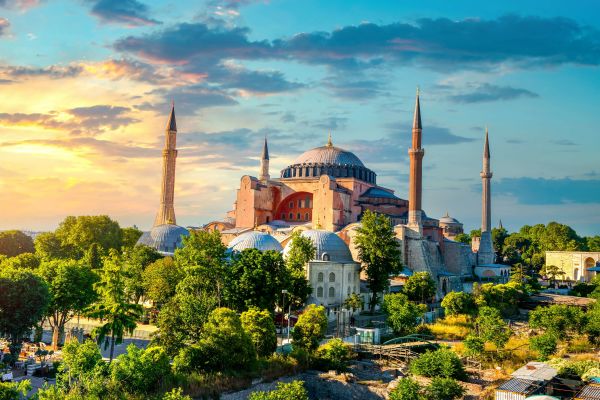
Visiting Hagia Sophia , where layers of Christianity and Islam coexist, becomes more meaningful when you understand its symbolic weight . The Blue Mosque , with its balance between spirituality and architecture , is best enjoyed in respectful silence , while walking through the Grand Bazaar ceases to be a tourist transaction and becomes a cultural exchange .

Istanbul rewards the traveler who listens , observes , and adapts . Understanding how to behave culturally doesn't limit the experience; it amplifies it, allowing the city to reveal itself in all its complexity , hospitality , and beauty .
You might also be interested in: Opportunities to travel to Brazil and the Caribbean during the summer