

Why travel to Aruba: Frequently Asked Questions about the Happy Island

Some destinations speak for themselves. Aruba —known worldwide as the Happy Island or One Happy Island —is one of them. Located in the southern Caribbean Sea , this small gem of just 180 km² belongs to the Kingdom of the Netherlands and boasts a reputation that few destinations in the world can match: white sand beaches, picture-perfect turquoise waters, guaranteed sunshine almost year-round, and an atmosphere that invites you to leave your worries behind from the moment you set foot on Caribbean soil.
But a great trip starts long before you pack your bags. That's why we've gathered the most frequently asked questions from those dreaming of Aruba, along with a special section of documentation for Chilean travelers .
Why Aruba and not another Caribbean destination?
Because Aruba has something very few tropical destinations can offer: year-round weather stability . The island lies outside the main hurricane belt, meaning it is rarely affected by them. This is one of the reasons why many travelers choose Aruba for a worry-free vacation, with its stable, sunny weather throughout the year.
Added to this is a world-class tourist infrastructure , a low crime rate, and a genuinely welcoming culture. Aruba is considered one of the safest islands in the Caribbean, and visitors generally feel comfortable walking around the tourist areas and exploring the island.

What are its main attractions?
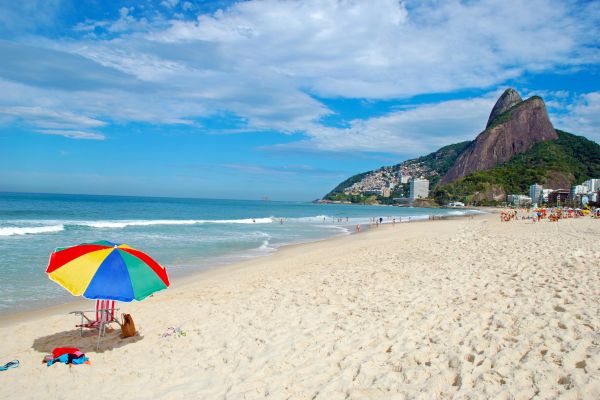
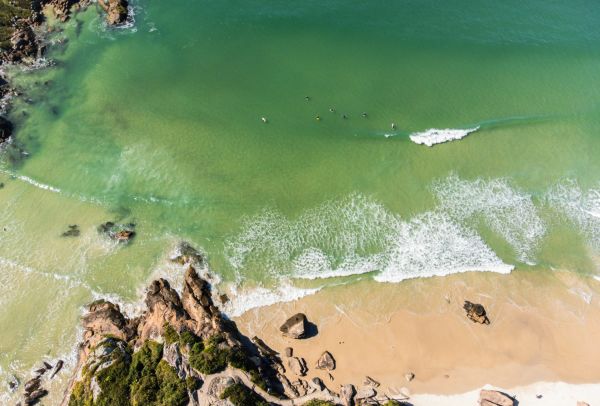
Eagle Beach and Palm Beach are the undisputed stars: powder-white sand beaches, swaying palm trees, and waters in varying shades of blue. But Aruba offers much more than just sun and sand.
The island's interior boasts almost desert-like landscapes, giant cacti, and the beautiful Arikok National Park , home to iguanas, endemic flora, and ancient caves with rock paintings. The historic center of Oranjestad , the capital, surprises visitors with its vibrant Dutch architecture, boutiques, international restaurants, and lively nightlife.
For sea lovers, snorkeling and diving open up a world of corals and marine life that rivals the best reefs in the Caribbean.

What language is spoken? Will there be communication barriers?
None. Aruba is proudly multilingual. The official languages are Papiamento and Dutch, but English and Spanish are widely spoken, especially in tourism. Most hotel and restaurant staff speak English, which makes communication much easier. For Spanish-speaking travelers, the experience is particularly comfortable.
What currency is used in Aruba? Do they accept cards?
The official currency is the Aruban Florin (AWG), although US dollars are widely accepted in shops, restaurants, hotels, and on tours. Many businesses use a fixed exchange rate, and change is usually given in florins.
Major credit and debit cards — especially Visa and Mastercard — are accepted throughout the island, and ATMs are located in Oranjestad, Palm Beach and the main hotel areas.

When is the best time to travel to Aruba?
Strictly speaking, any month of the year is a good option. The average temperature hovers around 28°C , and the sun shines constantly thanks to the trade winds that naturally cool the island. However, the months of January through April are considered peak season: perfect weather, lower humidity, and the widest range of activities.
If you're looking for something quieter and with more affordable rates, the months of May to November also offer an excellent experience.
Is it expensive to travel to Aruba?
Aruba is an upper-middle-range destination. Beach hotels—especially along the Palm Beach strip—are priced comparable to other quality Caribbean resorts. However, the local cuisine, markets, and food trucks offer more affordable alternatives without sacrificing flavor or experience.

Documentation for Chilean travelers
- Do I need a visa?: Chilean citizens do not need a visa to travel to Aruba for tourism. The exemption applies to stays of up to 90 days, provided they meet immigration requirements.
- Passport: A passport is the only accepted travel document for entry into Aruba. It must be valid for at least six months from the date of entry, be in good condition, and have at least one blank page for immigration stamps. Chilean identity cards are not valid for entry.
- ED Card: The most important requirement before takeoff is to complete the Embarkation-Disembarkation Card (ED Card) online. This digital form collects information about your trip: purpose of travel, accommodation, length of stay, and a health declaration. It is recommended to complete it at least 24 hours before your flight to avoid any issues. It costs USD $20 and includes the sustainability fee. Donations are earmarked for environmental preservation projects on the island. Donations must be made exclusively through the official website: edcardaruba.aw .
- Yellow fever vaccine: Travelers from Chile are not required to get vaccinated. However, if your flight has a layover in high-risk countries such as Colombia, Peru, or Brazil, it's advisable to check the transit requirements for each country.
- Travel insurance: Aruba offers modern and reliable medical care, with well-equipped hospitals and emergency centers. Travel health insurance is strongly recommended.
- Proof of funds: It is recommended to provide sufficient funds for the stay, approximately between USD 150 and USD 200 per person per day, according to the official guide, in addition to having a reservation for accommodation and a return ticket.

One Happy Island awaits you!
You might also be interested in: Expan Experience: San Pedro with everything included at Explora Atacama