

6 things you can do for free in Rapa Nui without paying the National Park entrance fee

Traveling to Rapa Nui is one of those dreams that many travelers cherish for years. Isolated in the middle of the Pacific Ocean, Easter Island , also known as Rapa Nui, captivates with its ancient culture, volcanic landscapes, and, of course, the enigmatic moai statues that have fascinated the entire world.
To access most of the protected archaeological sites, travelers from Chile and abroad must pay an entrance fee to Rapa Nui National Park . However, what many don't know is that it's perfectly possible to travel to the island, experience its essence, and visit important tourist attractions without paying the park entrance fee .
Below, we present 6 things you can do for free in Rapa Nui , ideal for those looking to explore at their own pace and experience the island from a more everyday and local perspective.
Ahu Tahai Ceremonial Center: Sunsets in front of the moai
The Ahu Tahai Ceremonial Center is one of the most accessible and iconic archaeological sites on the island. Located just minutes from downtown Hanga Roa , this site is completely free and has become one of the best places to watch the sunset on Rapa Nui .
Here you'll find several moai facing inland , with the ocean as a backdrop. As the sun sets, the colors of the sky reflect off the stone figures, creating a scene that is both simple and breathtaking.

Anakena Beach: The pearl of Rapa Nui
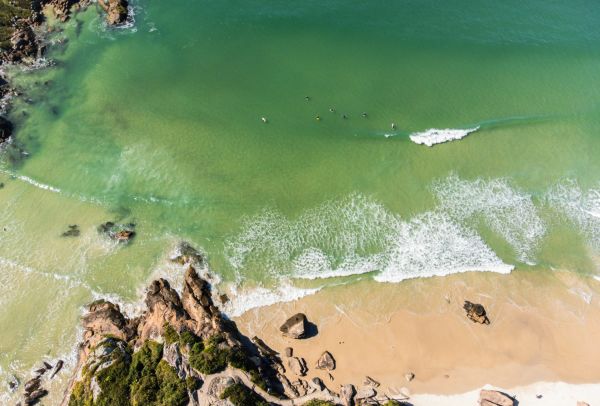
Anakena Beach breaks with the typical image of a volcanic island. Its light sand and turquoise waters make it one of the most beautiful beaches in Chile. The best part is that you can see the moai statues here for free , as they are located outside the park area.
In addition, the beach has free parking , free restrooms and changing rooms , and several food and beverage stands where you can buy empanadas, natural juices or fresh fish.

Hanga Roa: The heart of the island
Hanga Roa is the only town on Rapa Nui and, at the same time, its cultural and social center. Exploring it on foot is a free experience that allows you to discover the island's daily life : its quiet streets, low houses, murals, and small churches.
Along the coast, you'll find moai standing alone , integrated into the urban landscape, and in the cove of Hanga Roa, it's common to see sea turtles swimming near the rocks. You can also visit craft fairs , where locals display wood carvings, volcanic stone necklaces, and traditional textiles.

Catholic Church of Rapa Nui: Faith, music and ancestral language
The Church of Santa Cruz , the Catholic church on Rapa Nui, is one of the island's most unique spaces. Three masses are celebrated there on Sundays , open to the public, and attending one is a profound cultural experience.
The chants are performed in the Rapa Nui language , accompanied by local music, while only the priest speaks in Spanish . It is not merely a religious act, but a living expression of the island's identity.

Ovahe Beach: A hidden gem
Smaller and less well-known than Anakena, Ovahe Beach is a true hidden gem. Surrounded by reddish rock formations, this beach stands out for its more intimate and natural character.
It's important to note that high tide can partially cover it . Precisely because of its more limited access, it tends to be less crowded , ideal for those seeking tranquility and a quieter connection with the landscape.

Rano Kau Volcano: Breathtaking views on Rapa Nui
Rano Kau volcano offers one of the most breathtaking views on Rapa Nui. Unlike Rano Raraku , this volcano can be visited freely , without needing a ticket.
From its viewpoint, you get a panoramic view of the vegetation-covered crater and the endless ocean surrounding the island. It's a perfect place to appreciate the geographical isolation of Rapa Nui and understand why its culture developed in such a unique way .

Tip: Rent a car in Rapa Nui
To make the most of these free activities , renting a car is recommended. The island is small, but having your own transportation will allow you to manage your time and stop wherever you like. It's an especially convenient option if you're traveling as a couple, family, or group .
Rapa Nui all-inclusive in Nayara Hangaroa (6 days / 5 nights)
What if you want to enter Rapa Nui National Park?
While it is possible to enjoy the island without paying an entrance fee, those who wish to access iconic sites such as Rano Raraku and Orongo will need to purchase the Rapa Nui National Park ticket.
The values are as follows:
Tickets for foreigners :
- Adults (+13 years): $95,000 CLP
- Children (7 to 12 years): $38,000 CLP
Tickets for Chileans :
- Adults (+13 years): $40,000 CLP
- Children (7 to 12 years): $20,000 CLP
Tickets can be purchased before traveling or upon arrival in Rapa Nui , an archaeological, cultural, human and natural destination that manifests itself in its moai , its beaches, its people, its volcanoes and its people .
You may also be interested in: Air Canada launches direct flight between Santiago and Montreal