

Egypt beyond the pyramids: 5 attractions you should know about

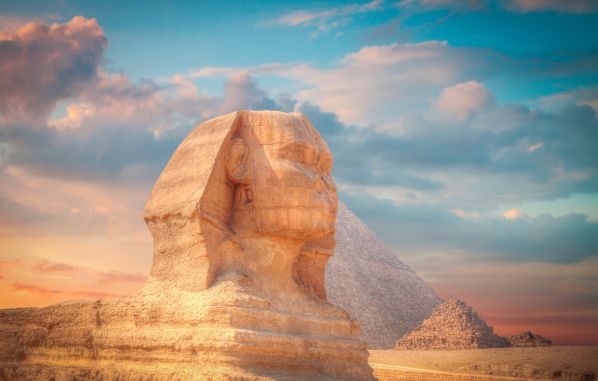
When we think of Egypt , the image that immediately comes to mind is that of the pyramids of Giza rising from the desert. And rightly so: they are one of the most impressive wonders of the ancient world ever built by humankind.
But to reduce Egypt to its pyramids is to leave out an immense country, crossed by the Nile , with ancient temples that defy time, hidden oases and a Red Sea of turquoise waters that rivals the best diving destinations on the planet.
For those looking to go beyond the classic tour, here are five unmissable attractions that reveal the true magnitude of this ancient destination.
1. Abu Simbel: the temples that defied the desert
In the far south of Egypt, on the shores of Lake Nasser , stand the temples of Abu Simbel , commissioned by Pharaoh Ramses II more than 3,200 years ago. Its four colossal statues, twenty meters high and carved directly from the rock, guard the entrance to a sanctuary dedicated to both the gods and the pharaoh's own glory.

What is most astonishing is not just its size, but its recent history: in the 1960s, the entire complex was dismantled and moved stone by stone to higher ground to save it from the waters of the Aswan Dam , one of the most remarkable engineering feats of the 20th century.
Twice a year, on February 22 and October 22, the sun aligns perfectly with the temple entrance and illuminates the statues inside in an astronomical phenomenon that continues to attract travelers from all over the world.
2. Luxor and the Valley of the Kings: the open-air museum city
If Egypt has an archaeological capital, it is Luxor , ancient Thebes . Here lies one of the highest densities of monuments in the ancient world: the temples of Karnak and Luxor on the east bank, and the Valley of the Kings on the west bank, where the tombs of more than sixty pharaohs rest, including that of Tutankhamun , discovered almost intact in 1922.

Exploring these underground chambers decorated with hieroglyphs and still vividly colored paintings is an experience that connects the visitor with the deepest Egypt, far from the typical postcards.
Many travelers choose to fly over the area in a hot air balloon at dawn , a unique way to appreciate the scale of this true open-air museum.
3. A Nile cruise: the artery that gave life to a civilization
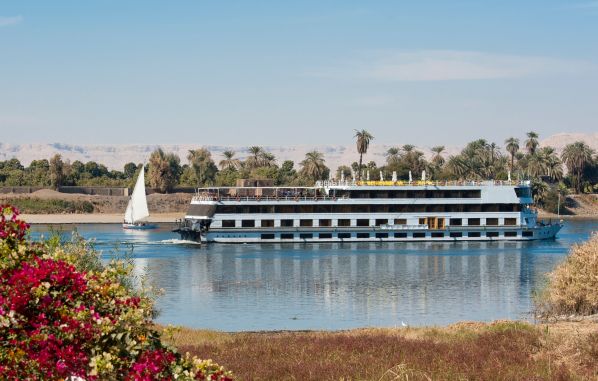
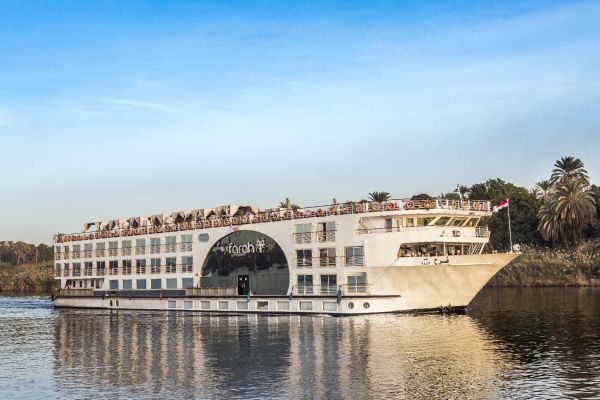
Sailing the Nile between Luxor and Aswan, usually on three- to five-day cruises , allows you to discover temples like Edfu and Kom Ombo while the landscape slowly changes from green palm groves to golden dunes.

It is also a way to travel without the rush of land excursions: every morning the boat docks in front of a new archaeological site and every afternoon the river offers sunsets that explain why the ancient Egyptians considered this waterway a gift from the gods.
For today's traveler, a Nile cruise combines history, scenery, and a genuine rest break amidst an intense itinerary.
Tour of the best of Egypt with Nile cruise + Red Sea (11 days / 10 nights)
4. The Red Sea: World-class diving in Egypt
Egypt is not just desert. Its Red Sea coast, especially in Hurghada and Sharm El Sheikh , boasts some of the best-preserved coral reefs on the planet, with visibility often exceeding 20 meters.

Reef sharks, turtles, dolphins and exceptional marine biodiversity coexist with historic shipwrecks such as the SS Thistlegorm , sunk during World War II and today one of the most visited wrecks in the world by divers.
Those who do not practice diving can also enjoy snorkeling or simply fine sandy beaches with the desert as a backdrop, a contrast that few destinations in the world can offer.
5. Mount Sinai: Egypt's most sought-after sunrise
On the Sinai Peninsula, Mount Sinai is one of the most spiritually significant places in the country. According to biblical tradition, it was here that Moses received the Ten Commandments , and this story continues to attract thousands of travelers and pilgrims each year who ascend at dawn to witness the sunrise from the summit , at 2,285 meters high.

The climb, which takes about two to three hours, can be done on foot or by camel along the camel trail , and ends with a view that stretches over a sea of reddish mountains and the Gulf of Aqaba in the distance.
At the foot of the mountain is the Monastery of Saint Catherine , one of the oldest inhabited Christian monasteries in the world, which houses a library of manuscripts of incalculable historical value.
Bonus: Siwa, the oasis that time almost forgot
More than 500 kilometers from Cairo , near the Libyan border, lies Siwa , a remote oasis that preserves its own identity, with its own Berber language and sun-dried mud architecture.

Here Alexander the Great consulted the oracle of the temple of Amun before proclaiming himself the son of the god, and today the visitor can explore the ruins of that same construction, bathe in natural springs of warm waters and sleep under skies completely free of light pollution.
Siwa represents the less touristy and more authentic Egypt: a place where the desert, tradition and history coexist almost without interference from the modern world.
You might also be interested in: Hyatt Vivid Punta Cana: The new all-inclusive option for adults only