

Mykonos and Santorini: The best of the Greek Islands

Mykonos and Santorini are two of those destinations that live in the collective imagination as synonymous with Mediterranean beauty, ancient culture, and a quality of life that invites you to slow down. Together, they form one of the most coveted travel experiences on the planet, and for reasons that go far beyond their iconic photographs.
Mykonos: The island that never sleeps
Located in the heart of the Aegean Sea , Mykonos is pure energy. Known worldwide as the entertainment capital of Greece, this island in the Cyclades archipelago captivates from the first moment with its whitewashed architecture, labyrinthine alleyways, and the ever-present blue of the Mediterranean.
The heart of the island beats in Mykonos Town —also called Chora —a town that seems designed by a painter: white-walled houses adorned with pink bougainvillea, blue-domed churches, and streets so narrow they barely allow the wind to pass. Getting lost in its corners is, in itself, one of the great pleasures of the trip.

But Mykonos has layers. The famous Little Venice neighborhood—where fishermen's houses literally jut out onto the sea—offers one of the most romantic sunsets in the entire Mediterranean basin. Further up, the Kato Mili windmills , the five 16th-century windmills that have become a symbol of the island, guard the horizon with a serene dignity that contrasts with the vibrant nightlife that awakens when the sun goes down.
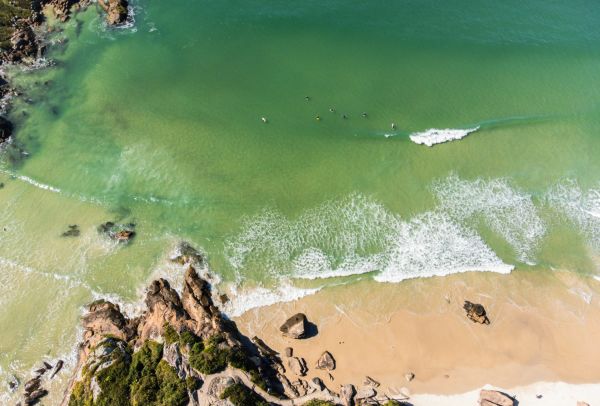
Mykonos is also all about partying. Its world-class beach clubs — Paradise Beach and Super Paradise among the most legendary—and its vibrant bar and nightclub scene have established it as one of Europe 's premier nightlife destinations. But even those seeking tranquility will find their haven: more secluded beaches like Agios Sostis or Fokos offer peace and crystal-clear waters without the crowds.
Santorini: The volcano that became a postcard
Just a couple of hours by ferry from Mykonos, Santorini is another world. If Mykonos is adrenaline, Santorini is contemplation. Born from one of the largest volcanic eruptions in history—more than 3,600 years ago—this island bears the marks of fire on its geography: a circular caldera of deep blue waters, dark volcanic cliffs that plunge into the sea, and black and red sand beaches unlike any other in the world.
The village of Oia is perhaps the most photographed spot in all of Greece. Its houses perched on the cliff edge, its blue-domed churches, and its legendary sunsets —which draw hundreds of travelers each evening as if it were a collective ritual—represent the quintessential Greek dream. The capital, Fira , more lively and cosmopolitan, offers contemporary restaurants, bars overlooking the caldera, and a vibrant cultural scene.

For history buffs, Santorini also holds an extraordinary archaeological secret: the site of Akrotiri , a Minoan city buried by volcanic eruption and preserved under ash like a kind of Greek Pompeii , where frescoes, vases and structures from millennia ago can still be seen.
And for those seeking the unique whims of volcanic terrain, the beaches of Perissa and Perivolos , with their black sand, and the Red Beach of Akrotiri are experiences that have no equal in the Mediterranean.
Bonus: Milos, the Aegean's best-kept secret
If Mykonos is the festive soul of the Cyclades and Santorini its most romantic face, Milos is its wild heart. Less known to the general public, this volcanic island boasts one of the most dramatic and breathtaking coastlines in the entire Mediterranean : more than 70 beaches with unique formations, waters of impossible colors, and landscapes that seem sculpted by ancient and capricious forces.
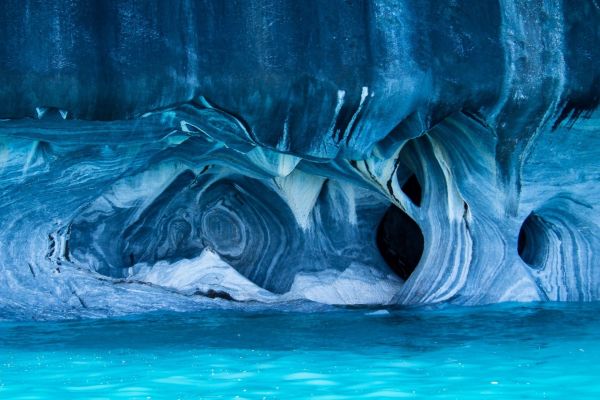
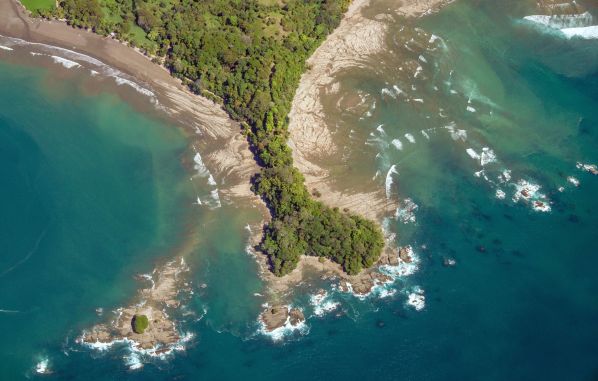
The absolute jewel of Milos is Sarakiniko , a beach like no other in the world. Its white volcanic rock formations, polished by the wind and sea over centuries, create a mesmerizing lunar landscape: waves crashing on pristine white surfaces, natural turquoise pools, and caves beckoning exploration. It's no wonder that visitors feel as if they've landed on another planet.

Further south, Tsigrado and Fyriplaka offer reddish cliffs in shades of ochre and orange that blaze with color at sunset, while the Kleftiko Caves —accessible only by sea— are a labyrinth of arches and grottoes of white rock where the water acquires an almost unreal transparency, now one of the most extraordinary snorkeling and sailing spots in Greece.
But Milos is not all about extreme nature. Its capital, Plaka , shares the Cycladic charm of its larger sisters: white houses climbing the hillside, a Venetian fortress with panoramic views of the Aegean, and tavernas where sun-dried octopus and local goat cheese are a gastronomic ritual.
Which destination should you combine Santorini and the islands with? Turkey.
What many travelers discover—and few forget—is that the Greek Islands offer a natural gateway to one of the world's most fascinating countries: Turkey . The geographical proximity between the Greek Aegean and the Turkish coast makes this combination one of the most culturally rich routes one can design in the Eastern Mediterranean.

From Santorini or Mykonos, connecting to Istanbul —the city that unites two continents—is like stepping into another dimension. The Blue Mosque , the Hagia Sophia , the Grand Bazaar , and cruises along the Bosphorus combine to create an unparalleled historical and sensory experience.
To the south, Ephesus offers the best-preserved Greco-Roman ruins in Asia Minor, while Cappadocia —with its rock formations, underground cities, and sunrise hot air balloon rides—represents one of the most surreal landscapes on the planet.

The Turkish Riviera , with destinations like Bodrum and Antalya , completes the circle with turquoise water beaches that perfectly complement the spirit of the Greek islands.
Combining Mykonos , Santorini, and Turkey into a single itinerary isn't just about racking up miles; it's about creating a journey that encompasses unique civilizations, landscapes, and sensations that will be etched in your memory forever. The Eastern Mediterranean has that extraordinary ability to make those who travel through it feel that the world, in its most ancient corners, still holds wonders waiting to be discovered.
You might also be interested in: Why travel to Aruba: Frequently asked questions about the Happy Island