

Abu Simbel and the Valley of the Kings: Two experiences in Egypt beyond the pyramids

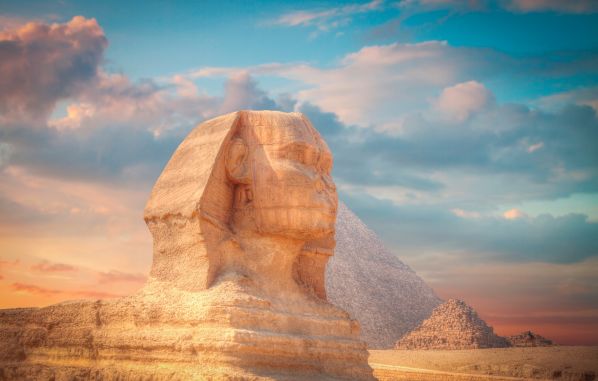
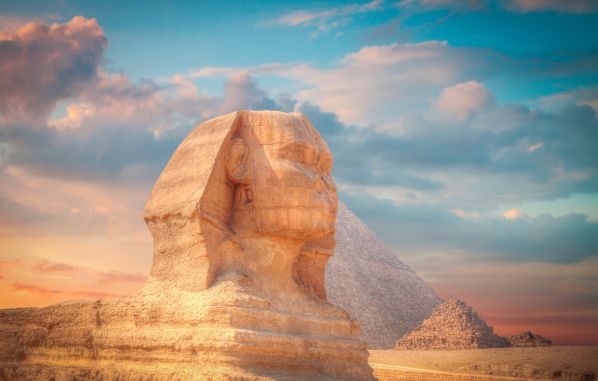
The pyramids of Giza are often the first image that comes to mind when thinking of Egypt , but the land of the Nile holds even more breathtaking treasures inland. Abu Simbel and the Valley of the Kings represent two distinct chapters of Pharaonic civilization: one carved into the desert rock as a monument to a king's eternity, and the other hidden underground as a secret refuge for the journey to the afterlife.
Together, they offer a much deeper look into Ancient Egypt than any postcard of camels in front of the pyramids.
Abu Simbel: the temple that defied time and the Nile
Nearly 300 kilometers south of Aswan , beside the waters of Lake Nasser , stands one of the most impressive monumental complexes ever built by humankind. Abu Simbel was erected by order of Pharaoh Ramses II more than 3,200 years ago to commemorate his victory at the Battle of Qadesh and to proclaim his power to Nubia and the entire world.
Four colossal statues, 20 meters high, bearing the face of Ramses himself, guard the entrance to the Great Temple , while the Small Temple , dedicated to Queen Nefertari and the goddess Hathor, complements the ensemble with an artistic delicacy unique in its time.

The most astonishing thing about Abu Simbel is not just its antiquity, but its modern history. When the construction of the Aswan Dam threatened to submerge the temple beneath Lake Nasser in the 1960s, UNESCO spearheaded a colossal operation: the monument was cut into blocks and moved stone by stone to an artificial hill , 60 meters higher than its original location.
This archaeological rescue remains, to this day, one of the greatest achievements of engineering and international cooperation of the twentieth century.

Abu Simbel also holds an astronomical phenomenon that attracts thousands of visitors each year: twice a year, on February 22 and October 22, the first rays of dawn pass through 60 meters of corridor to directly illuminate the statues of the inner sanctuary , in a solar calculation that the ancient Egyptians designed with astonishing precision.
The temple receives visitors every day, generally from 6:00 in the morning, and can be reached from Aswan by air, land or even by sailing on Lake Nasser, depending on the time and budget of each traveler.

Valley of the Kings: the secret kingdom of the pharaohs
On the west bank of the Nile, opposite the city of Luxor , stretches an arid and silent landscape that conceals one of humanity's best-kept secrets. For nearly 500 years, the Valley of the Kings was the burial site of choice for the pharaohs of the New Kingdom, who abandoned the visible pyramids to excavate their tombs deep within the mountain, far from sight and tomb robbers.
More than 60 tombs have been discovered so far in the Valley of the Kings , although only a handful remain open to the public at any given time. The most famous of all is undoubtedly that of Tutankhamun , found almost intact by Howard Carter in 1922, which continues to fascinate with the richness of its funerary treasure.

Other tombs, such as those of Ramses IV , Ramses IX , or Seti I , are striking for the vividness of their hieroglyphs and the scenes from the Book of the Dead painted on their walls, spiritual guides for the pharaoh's journey to eternal life.
The standard entrance to the Valley of the Kings allows you to visit a limited number of tombs, while access to special tombs such as that of Tutankhamun requires an additional ticket.

It is advisable to book in advance and, if possible, visit early in the morning, when the desert heat is still bearable and the interior chambers retain their temperature better.
Very close by, the imposing Temple of Hatshepsut , built for the only woman to rule Egypt as pharaoh, and the Colossi of Memnon complete a tour that summarizes the grandeur of Luxor 's west bank.

Tour of the best of Egypt with Nile cruise + Abu Simbel (9 days / 8 nights)
Two experiences, one journey to the heart of history
Visiting Abu Simbel and the Valley of the Kings on the same itinerary allows one to understand the evolution of Egyptian funerary thought: from monumental temples designed to be seen from afar, to hidden tombs that sought to protect forever the rest of their kings.
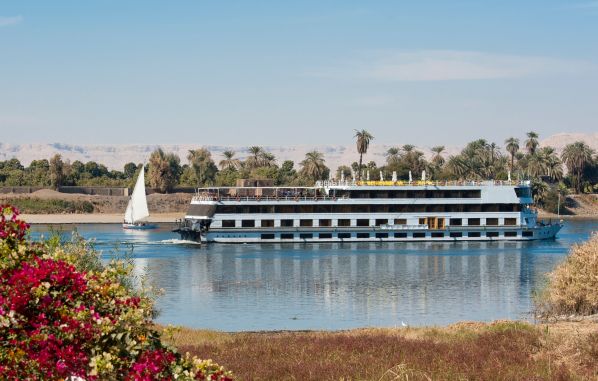
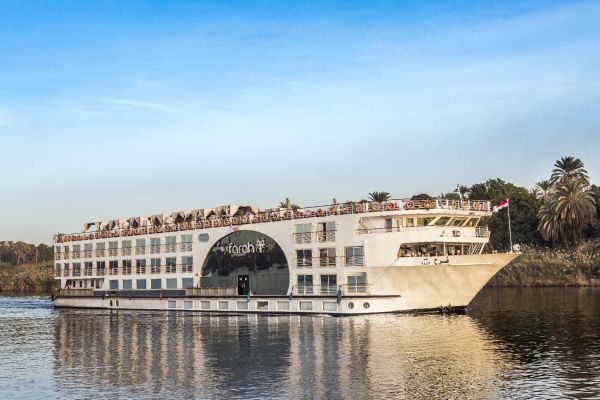
Both destinations are often combined with a Nile cruise between Aswan and Luxor , a leisurely and contemplative way to discover temples, markets and riverside villages while the river unfolds its ancient landscape.

Before setting out, it's advisable to bring sunscreen, plenty of water, and comfortable shoes, as both sites involve walking in the desert sun. Wi-Fi connectivity can be limited in remote areas like Abu Simbel , so it's recommended to download tickets and travel documents beforehand.
Beyond the logistics, what remains at the end of the journey is a certainty shared by every traveler who dares to go beyond the pyramids: Egypt holds wonders that, 5,000 years later, continue to leave those who contemplate them speechless .
You may also be interested in: Machu Picchu Season 2027: Everything you need to know