

From the Caribbean to the Pacific: two coasts and countless ways to experience Costa Rica

Some destinations force you to choose a coast. Costa Rica offers a different experience: discovering two maritime worlds within a single trip. Thanks to its location in the heart of Central America , it's possible to travel from the Pacific Ocean to the Caribbean Sea in just a few hours, crossing a territory where the landscapes, climate, cuisine, and even the pace of life change.
With nearly 1,300 kilometers of coastline , the country boasts beaches of white, golden, gray, and black volcanic sand; expansive bays, small coves, reefs , mangroves , and coasts where tropical forests extend almost to the sea. Its waters remain warm year-round, allowing for water activities to be enjoyed throughout the year.

Pacific: waves, sunsets and nature on a grand scale
The Pacific coast stretches from Guanacaste in the north to the Osa Peninsula and the Golfo Dulce in the south. Along this route, you'll find beaches with a wide range of hotels and restaurants, coastal towns, and secluded spots surrounded by tropical forests.
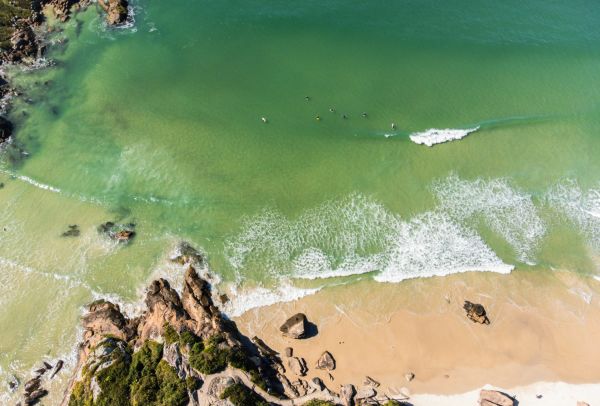
Destinations such as Tamarindo , Conchal , Sámara , Nosara and Guiones offer experiences for all types of travelers: from beaches with crystal clear waters and calm waves, ideal for swimming, kayaking or snorkeling , to internationally recognized surfing locations.

Further south, places like Uvita , Drake Bay , the Osa Peninsula , and Caño Island boast some of the country's most breathtaking natural landscapes. Marino Ballena National Park is one of the best spots for observing humpback whales and dolphins , while Caño Island is renowned for its diving and snorkeling opportunities. Nearby, Corcovado National Park protects one of Costa Rica's most biodiverse ecosystems.
The area is further enhanced by mangroves, estuaries, beaches where sea turtles come ashore, and a cuisine based on fresh fish and seafood, and, especially in Guanacaste, traditional corn- based dishes. The dry season , which runs from December to March , offers one of the most iconic images of this coast: the sun setting over the ocean .

Caribbean: reefs, channels, rainforests and Afro-Caribbean culture
The southern Caribbean coast offers a completely different experience. Here, beaches are surrounded by coconut palms , tropical forests, canals , wetlands , and reefs, in a region marked by Afro-Caribbean heritage and the presence of indigenous communities .
In the North Caribbean lies Tortuguero , a territory of lagoons and canals best explored by boat . Its national park is one of the country's main nesting sites for sea turtles and a prime location for observing birds, monkeys, caimans, and other species in their natural habitat.

Further south, Cahuita , Puerto Viejo de Talamanca , and Gandoca-Manzanillo combine white and black sand beaches with coral reefs and tropical forests. There, you can snorkel, dive, kayak, hike coastal trails , and observe sloths , monkeys, and a wide variety of birds. For surf enthusiasts, Salsa Brava is one of the most iconic spots on the Costa Rican Caribbean coast.
The identity of this coast is also reflected in its gastronomy . Dishes such as rice and beans , rondón , patí , and plantintá reflect the strong Afro-Caribbean influence and the prominence of coconut , seafood, and the traditional flavors of the region.

Unlike the Pacific coast, the rainy season , which brings more rainfall, is more evenly distributed throughout the year. This characteristic expands travel possibilities and allows visitors to enjoy both coasts at different times of the year.
Two ways to live the Pura Vida spirit

Exploring both coasts isn't just about changing beaches. It's about going from the sunsets and vast bays of the Pacific to the rhythms, flavors, and reefs of the Caribbean; from whale watching to sailing through the channels of Tortuguero; from surfing on expansive beaches to hiking along trails where the forest meets the sea.
The Caribbean and the Pacific are two complementary expressions of the same destination. Together they reflect one of Costa Rica's greatest strengths: offering profoundly different experiences within a small territory , connected by nature and a shared way of understanding life.
You might also be interested in: 10 interesting facts that make Costa Rica a fascinating destination for travelers