

Guide to traveling to the Brazilian Caribbean: Maragogi, Porto de Galinhas and Maceió

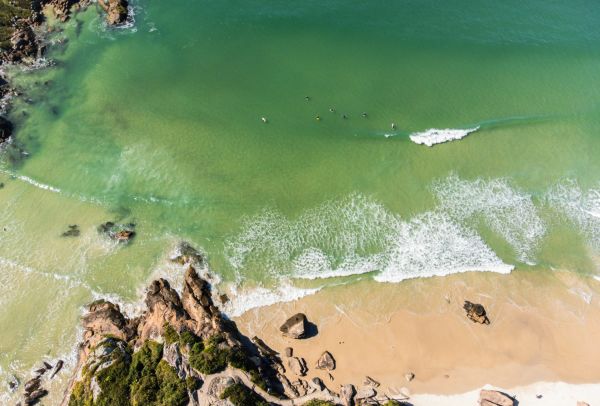
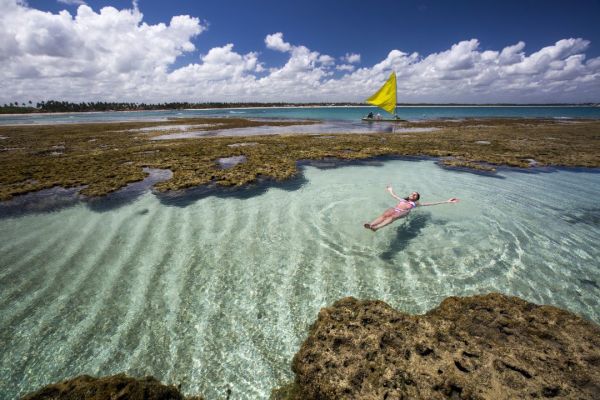
In northeastern Brazil, between the states of Alagoas and Pernambuco , there is a stretch of coastline that Brazilians themselves have dubbed the Brazilian Caribbean . It's not just a tourist brochure exaggeration: crystal-clear waters of an almost unreal turquoise , white sand as fine as talc, and natural coral pools that appear at low tide as if the sea wanted to offer up an open-air aquarium.
This stretch of coast, which runs from Maceió to Porto de Galinhas , passing through the jewel of Maragogi , has become one of the most desired destinations in South America for those seeking beach, tranquility and a touch of exoticism without crossing the ocean.
Why do they call it the Brazilian Caribbean?
The nickname comes from a direct comparison with the Caribbean Sea: warm temperature all year round , transparency that allows you to see the bottom several meters deep, and a color palette that ranges from emerald green to cobalt blue .
Geographically, this strip is located on the northern coast of Alagoas and the southern coast of Pernambuco, two neighboring states in northeastern Brazil, bathed by the Atlantic Ocean but with a regime of reefs and shoals that generates that natural pool effect so characteristic of the Caribbean.

Similarities and differences with the "real" Caribbean
The most obvious similarity is in the color of the water and the feeling of swimming inside a giant fish tank. But there are differences worth knowing before you travel.
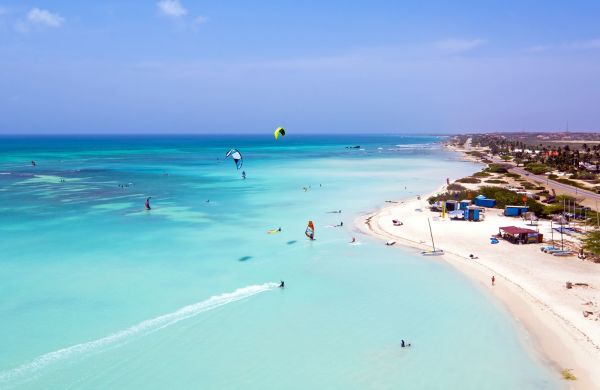
The Brazilian Caribbean does not have the constant calm waves of islands like Aruba or Punta Cana: here the phenomenon depends on the tide , and the famous natural pools only form during low tide , so you have to plan your walks according to the tide table.
Furthermore, the infrastructure is more authentic and less crowded : luxury resorts coexist with fishing villages , craft markets and a local culture that is much more present than in many Caribbean destinations that are already completely touristed.

How does it differ from other beach areas in Brazil?
Rio de Janeiro, Florianópolis or Búzios offer spectacular landscapes, but with a colder sea, stronger waves and an urban or cosmopolitan identity.
The Brazilian Caribbean, on the other hand, is defined by its relaxed pace , its year-round warm waters, and that picture-postcard tropical paradise aesthetic more akin to a Caribbean resort than a large coastal city. It's the ideal option for those seeking total relaxation .

How to get to Maragogi, the real Brazilian Caribbean
Maragogi is the heart of this region, and there are two gateways to reach it. The first is Zumbi dos Palmares International Airport in Maceió , located about 125-130 km from Maragogi (between 2 and 3 hours by road). The second is Guararapes International Airport in Recife , at a similar distance (125-137 km, 2.5-3 hours by road from Maragogi).
The great advantage of entering through Maceió is that the traveler can get to know this city first , taking advantage of its urban beaches before continuing north to Alagoas, while arriving through Recife is usually more convenient for those who also want to add Porto de Galinhas or Pernambuco to the itinerary.
In both cases, it is usual to rent a car or hire a private transfer, since there is no direct public transport to the natural pools.

Maceió: the gateway with urban beaches
Maceió, the capital of Alagoas, combines a vibrant city atmosphere with white-sand beaches just steps from the center . Praia de Pajuçara is the most iconic, famous for its colorful jangadas (traditional rafts) that ferry visitors to the natural pools along the shore. At sunset, the Pajuçara artisan market fills with stalls selling hammocks, nets, and local products.
For a more relaxed experience, Praia do Francês offers a laid-back atmosphere with excellent seafood restaurants. Nightlife is concentrated in the beachfront bars and the Ponta Verde neighborhood, featuring live music and forró , the traditional rhythm of the Northeast.
For accommodation, Maceió offers everything from boutique hotels in Ponta Verde to international beachfront chains, with more affordable prices than Maragogi.

Maragogi: Total disconnection
Here's the jewel in the crown. Maragogi boasts 22 km of coastline, and its main attraction is Les Galés , a series of natural pools located several kilometers offshore, accessible only by catamaran or motorboat at low tide. Also noteworthy is Caminho de Moisés , a sandbar that emerges at low tide, forming a path that seems to part the sea in two.
The central area of Maragogi has bars, restaurants, and tour agencies, while beaches like Barra Grande or Peroba are much more deserted and wild. Antunes is its most famous beach, known for its turquoise waters.
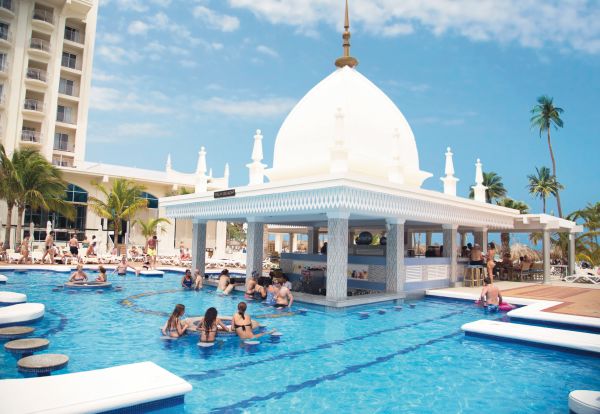
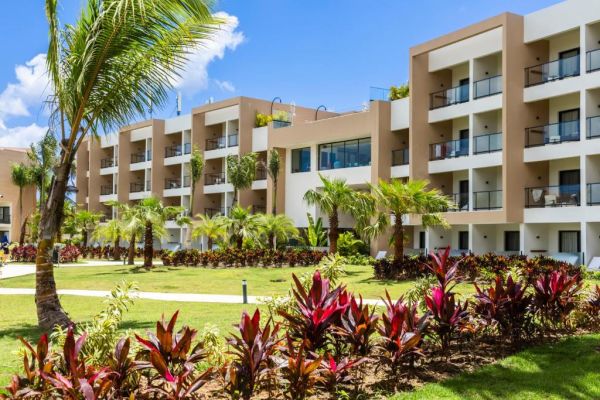
In terms of accommodation, Maragogi boasts some of the most renowned all-inclusive resorts in the Brazilian Caribbean, offering high-end options with swimming pools, fine dining, and activities for the whole family, as well as budget-friendly pousadas for those who prefer a simpler experience. Nightlife here is minimal, and that's precisely its charm: silence, stars, and the sound of the sea .

Porto de Galinhas: Nature and movement
Already in Pernambuco, Porto de Galinhas offers its own natural pools, especially in Praia de Muro Alto and Pontal do Cupe , in addition to a more complete nightlife offering, with beach bars, restaurants with live music and a pedestrian center full of shops and ice cream parlors.
The Muro Alto area concentrates the large resorts, several of them all inclusive , while the town center and Maracaípe offer inns with more local charm, the latter being very popular among surfers.
It's a livelier destination than Maragogi, ideal for those who want to combine nature with some social activity.

How do they differ from each other?
Maceió is the city, the gateway with urban beaches and good infrastructure. Maragogi is pure relaxation , with the warmest and most beautiful waters in the region. Porto de Galinhas is the midpoint: spectacular nature with its natural pools , along with a more vibrant social scene, gastronomy, and nightlife.

Fantasies of Northeast Brazil (9 days / 8 nights )
When to go to the Brazilian Caribbean: climate and seasons
The climate in this region is warm year-round, with an average temperature of 25°C . The dry season, between September and March , is the most recommended time to visit, with January, October, November, and December being the best months for excursions to the natural pools. May and June, the rainiest months, should be avoided.
Important: Before booking any tour to the Welsh islands, you must consult the tide tables , as tours are only available at low tide.

What do they eat in the Brazilian Caribbean?
The region's cuisine is a feast of flavors from the sea and northeastern Brazil. Must-try dishes include peixe na telha (fish grilled on a clay tile); shrimp in garlic sauce; moqueca , a fish stew with coconut milk and palm oil; and the unmissable carangueijo , a crab typical of Maceió that is eaten with your hands while strolling along Pajuçara beach.
For dessert, coconut candy and fresh tropical fruits like passion fruit, acerola, and cashew complete an experience that perfectly matches the landscape.

Between dream resorts, coral pools and endless sunsets, the Brazilian Caribbean proves that you don't need to cross an ocean to find paradise: it's in Northeast Brazil, between Maceió, Maragogi and Porto de Galinhas.
You may also be interested in: Vicente Pérez Rosales National Park turns 100, the oldest in Chile