

Vicente Pérez Rosales National Park turns 100 years old, the oldest in Chile

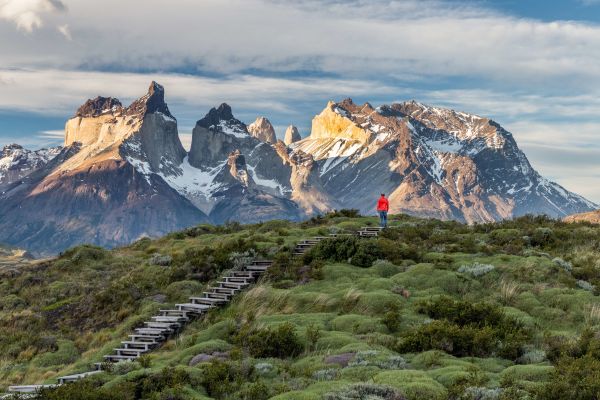
This Monday, August 17th, Vicente Pérez Rosales National Park celebrates its centenary. Created in 1926 in the heart of the Los Lagos Region, it is the oldest national park in Chile and one of the first on the entire continent, a fact that makes it a true pioneer of South American conservation .
One hundred years later, its 253,000 hectares of temperate rainforests remain one of the most photographed and longed-for landscapes in the south, and its centenary is celebrated with seminars, meetings and recognitions that extend from Puerto Varas to Santiago.
A century of history among volcanoes and turquoise lakes
The park was created on August 17, 1926, at a time when the idea of protecting territory for its natural value was still exceptional in the region.
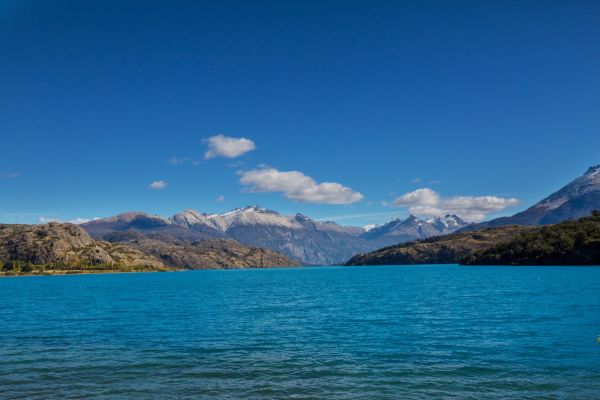
Since then, his name has been inextricably linked to some of the most recognizable icons of southern Chile : the Petrohué Falls , where meltwater flows through basalt volcanic rocks; Lake Todos los Santos , with its almost unreal turquoise color that changes hue depending on the light of day; and the imposing Osorno volcano , whose snowy cone dominates the horizon of all of Llanquihue.

The park is also part of the Temperate Rainforests of the Southern Andes Biosphere Reserve , an international recognition that underlines the ecological importance of its evergreen forests.
Its centenary comes at a symbolic moment for the country: As Report News explains, currently about 21% of Chilean territory is under official protection, a leap that has its roots precisely in the creation of this park one hundred years ago.
How to get to Vicente Pérez Rosales National Park
For those planning to experience the centenary on-site, the fastest way to get there is by plane to El Tepual Airport in Puerto Montt , with daily flights operated by LATAM, Sky Airline and JetSmart and a journey of approximately one hour and forty-five minutes .
From the airport, Puerto Varas is just over half an hour away by car, and from there access to the park is via Route 225 , skirting Lake Llanquihue towards Ensenada and Petrohué, a journey of about 60 kilometers that takes about an hour .

Those who prefer to travel by land can take Route 5 South from Santiago, a journey of about 1,000 kilometers that can also be covered by bus, with daily services and a journey of between 12 and 14 hours .
For those without their own vehicle, there are frequent minibuses between Puerto Varas and Ensenada, departing every 20 minutes, ideal for getting directly to the Petrohué Falls or the Todos los Santos Lake pier.
Puerto Varas as a starting point towards the deep south
Puerto Varas serves as the natural base for exploring the park and, at the same time, as a gateway to a much wider circuit through southern Chile.
The city, with its strong German heritage and architecture of tiles and balconies facing Lake Llanquihue, allows you to combine in the same trip an excursion to the park with a lake and volcanic route that passes through Frutillar , with its waterfront and its Teatro del Lago; Puerto Octay , with quiet streets and viewpoints towards the Osorno volcano; and Puerto Montt , the air and sea connection point towards Chiloé and northern Patagonia.

From Petrohué, it is also possible to cross Lake Todos los Santos by catamaran to Peulla , in the heart of the Andes, a journey that is part of the historic Lake Crossing to Bariloche and adds a binational adventure component to the trip.
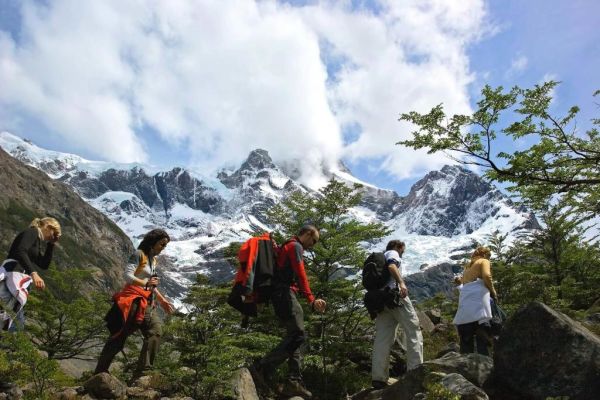
For those seeking physical activity, the park offers trails of varying difficulty, guided ascents to the Osorno volcano (with mandatory registration at Conaf) and activities such as rafting, kayaking and sport fishing in the waters of the Petrohué River.
A typical trip through the area can be structured around four or five days : arrival in Puerto Varas and free afternoon by Lake Llanquihue; full day in the park, with the Petrohué Falls and sailing on Lake Todos los Santos; a day trip to the Osorno volcano or to Frutillar and Puerto Octay; and closing in Puerto Montt, either as a return point or as a connection to new destinations in the south.

A century after its creation, Vicente Pérez Rosales National Park still holds the same capacity for wonder that must have inspired those who first explored it. Celebrating its 100th anniversary is also an invitation to head south, leave the city behind, and discover that, just a few hours from Santiago, a Chile of ancient forests and clear horizons awaits exploration.
You might also be interested in: The best islands in the Philippines that you should visit